Understanding Outdoor Spaces
Outdoor spaces are often integral to a home’s overall aesthetic and functionality. Various types such as patios, gardens, balconies, and yards each serve unique purposes and offer different opportunities for creative design. Understanding these spaces is essential for homeowners who wish to enhance their home’s exterior environment and embrace the outdoors.
Patios, for example, are typically designed as extensions of the living room, providing an area for relaxation and social gatherings. Their location and surface material greatly influence the ambiance—whether it be a rustic charm with brick pavers or a modern touch with sleek tiles. The shape and size of a patio can also dictate the types of furniture or decorations that may be employed, guiding design choices that maximize comfort and aesthetic appeal.
Gardens represent another crucial outdoor space, often seen as a personal sanctuary filled with greenery. The design of a garden can be heavily influenced by its layout and the local climate. Homeowners can choose to create a traditional flower garden, a vegetable patch, or a more exotic landscape featuring tropical plants. Each design requires careful consideration of plant arrangements, accessibility, and seasonal changes, ensuring that the garden remains vibrant throughout the year.
Balconies, especially in urban settings, offer a compact space that can be transformed into a cozy oasis with the right decor. The height and exposure to sunlight play a significant role in determining suitable plants and furniture. Small balconies may benefit from vertical gardening solutions—like wall planters—to save space while providing a lush environment.
Finally, yards serve as versatile outdoor spaces that can accommodate various functions, from outdoor dining to play areas for children. The dimensions and layout of the yard may dictate which features can be incorporated, such as fire pits, decks, or even small water features. Therefore, understanding the diverse types of outdoor spaces can empower homeowners to make informed choices about decoration and design, ultimately enhancing their outdoor living experience.
Choosing the Right Style
When considering the design of outdoor spaces, it is essential to choose a style that complements the overall architecture of your home. Various architectural and design styles are available, each offering unique elements that can enhance your exterior aesthetic.
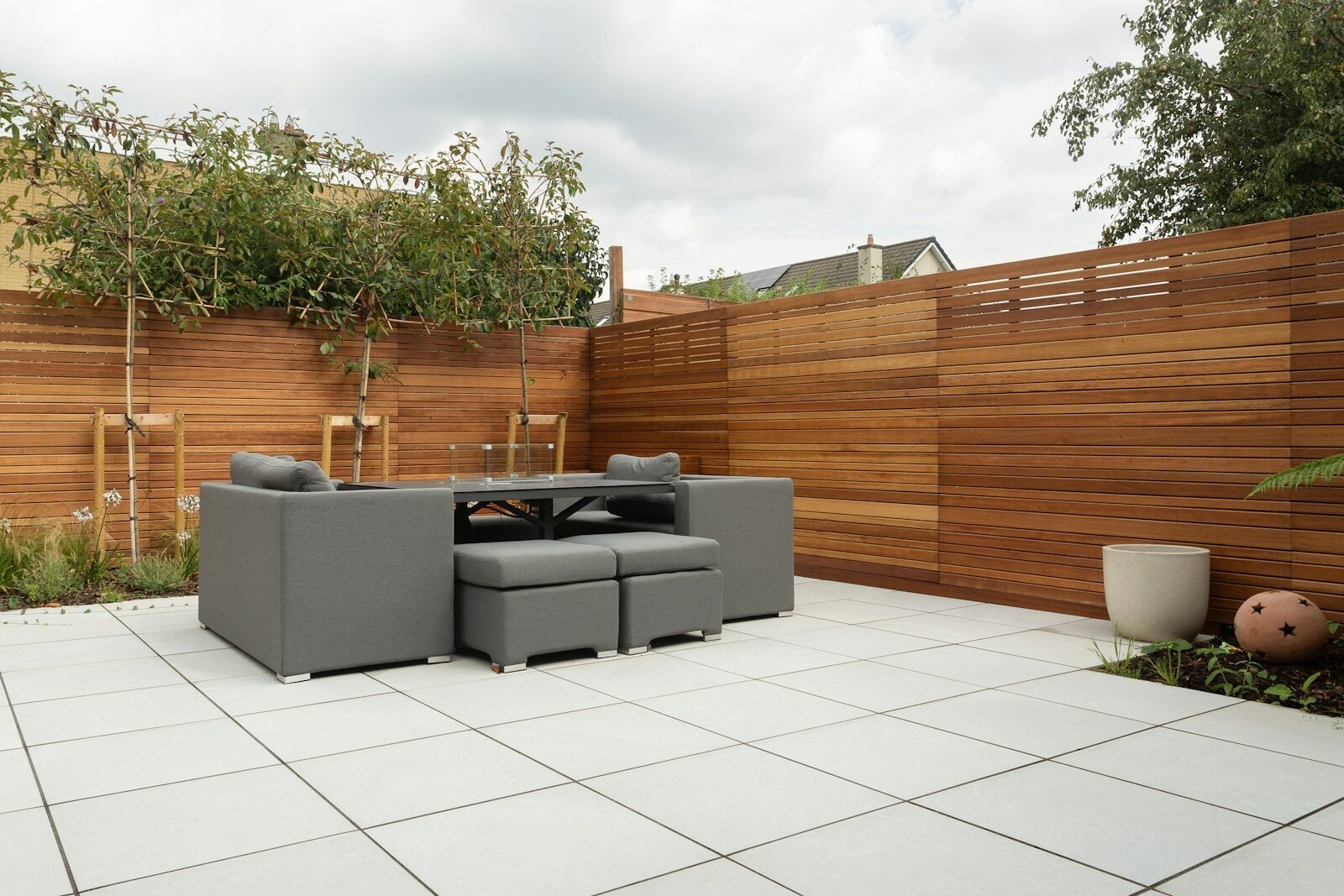
Modern outdoor design is characterized by clean lines, minimalism, and a focus on functionality. This style often incorporates materials such as glass, steel, and concrete, creating an elegant and sophisticated appearance. For a modern outdoor space, consider incorporating geometric furnishings, a simple color palette, and ornamental landscaping that favors simplicity over complexity.
In contrast, rustic design emphasizes natural materials and a warm, inviting atmosphere. Utilizing wood, stone, and organic shapes, this style creates a cozy and homely feel. To achieve a rustic outdoor area, you could employ reclaimed wood for deck or fencing elements, add a fire pit surrounded by comfortable seating, and select plants that reflect the local flora.
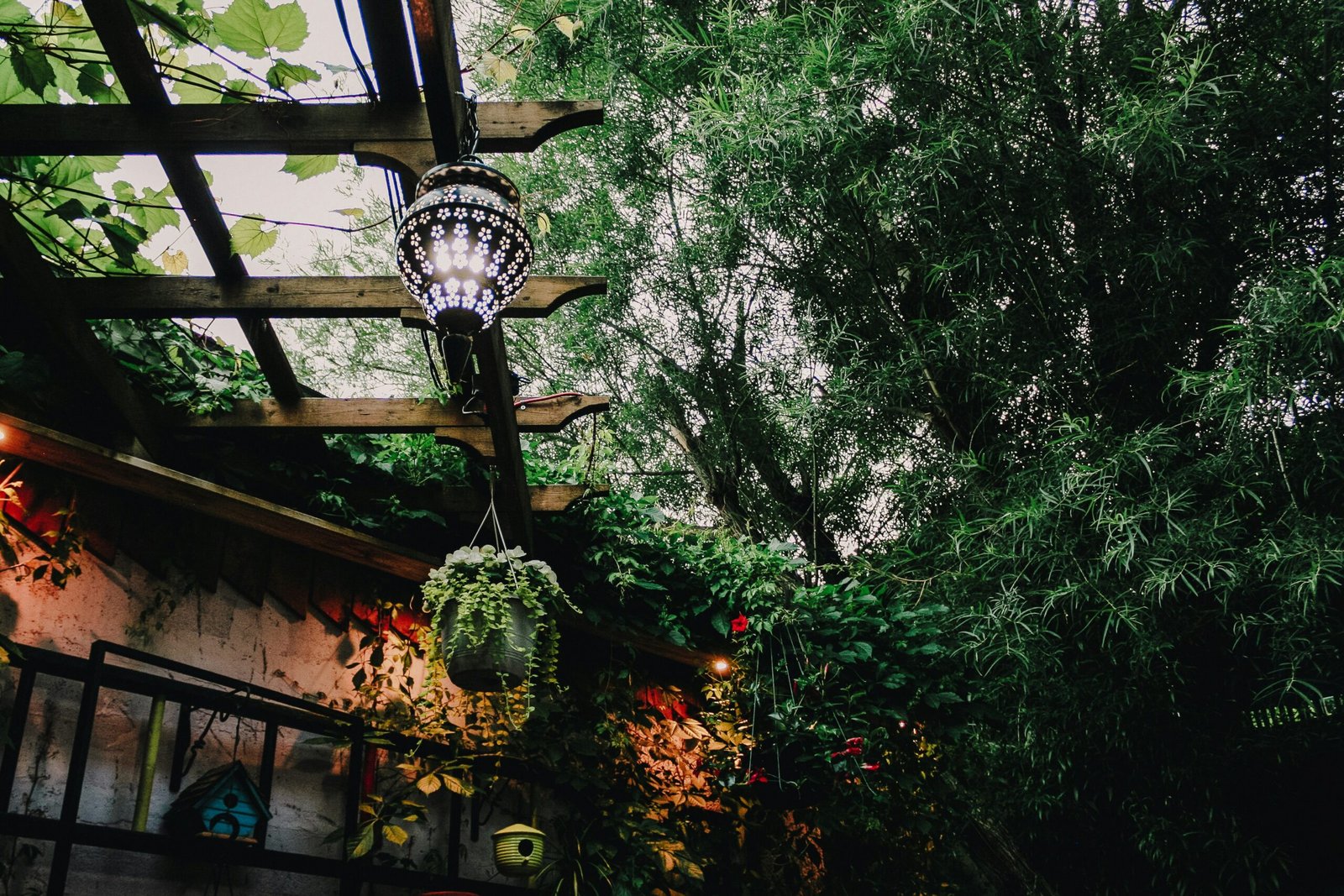
For a more eclectic vibe, bohemian design offers a playful and exotic mix of colors and textures. Incorporating vibrant textiles, mixed materials, and diverse patterns can create a lively space. Furnishings like poufs, hammocks, and lanterns can serve as distinctive pieces, while lush greenery enhances the informal appeal of this style.
Mediterranean outdoor design offers a blend of comfort and elegance, drawing inspiration from coastal areas. Characterized by terracotta tiles, stucco walls, and expansive outdoor living areas, this style promotes relaxation and social interaction. Incorporating elements like patterned tile work, wrought iron accents, and shaded patios can help in emulating this look.
Ultimately, the key to selecting the right style for your outdoor space lies in understanding your home’s existing architecture and choosing design elements that enhance its character. By considering these distinct styles, you can create an outdoor area that is both functional and aesthetically pleasing, ensuring it complements your overall home decor.
Incorporating Nature into Design
Integrating natural elements into outdoor design plays a vital role in crafting inviting and harmonious spaces. This approach not only enhances visual appeal but also promotes a sense of serenity and connection to the environment. One of the most effective ways to incorporate nature is through the use of plants. From native flora to ornamental shrubs, plants can transform outdoor areas into lush retreats that engage the senses. Strategically placed greenery can create privacy, improve air quality, and even attract local wildlife, enriching the outdoor experience.
In addition to plants, the inclusion of stones and pebbles can add texture and interest to outdoor spaces. Different types of stone can be used for paths, walls, or decorative features, providing a rustic feel that complements natural settings. Water features, such as fountains or ponds, also serve to elevate outdoor designs; they introduce gentle sounds of flowing water that promote relaxation and can even cool adjacent areas during hot weather. The natural aesthetic of these elements creates a cohesive narrative that can seamlessly flow into the surrounding environment.
Natural wood materials further enhance outdoor designs, offering warmth and a tactile element that can bridge indoor and outdoor settings. Whether through decking, furniture, or decorative accents, using untreated or sustainably sourced wood emphasizes a commitment to environmental consciousness. It is important to select materials that weather well, ensuring longevity while maintaining an organic appearance.
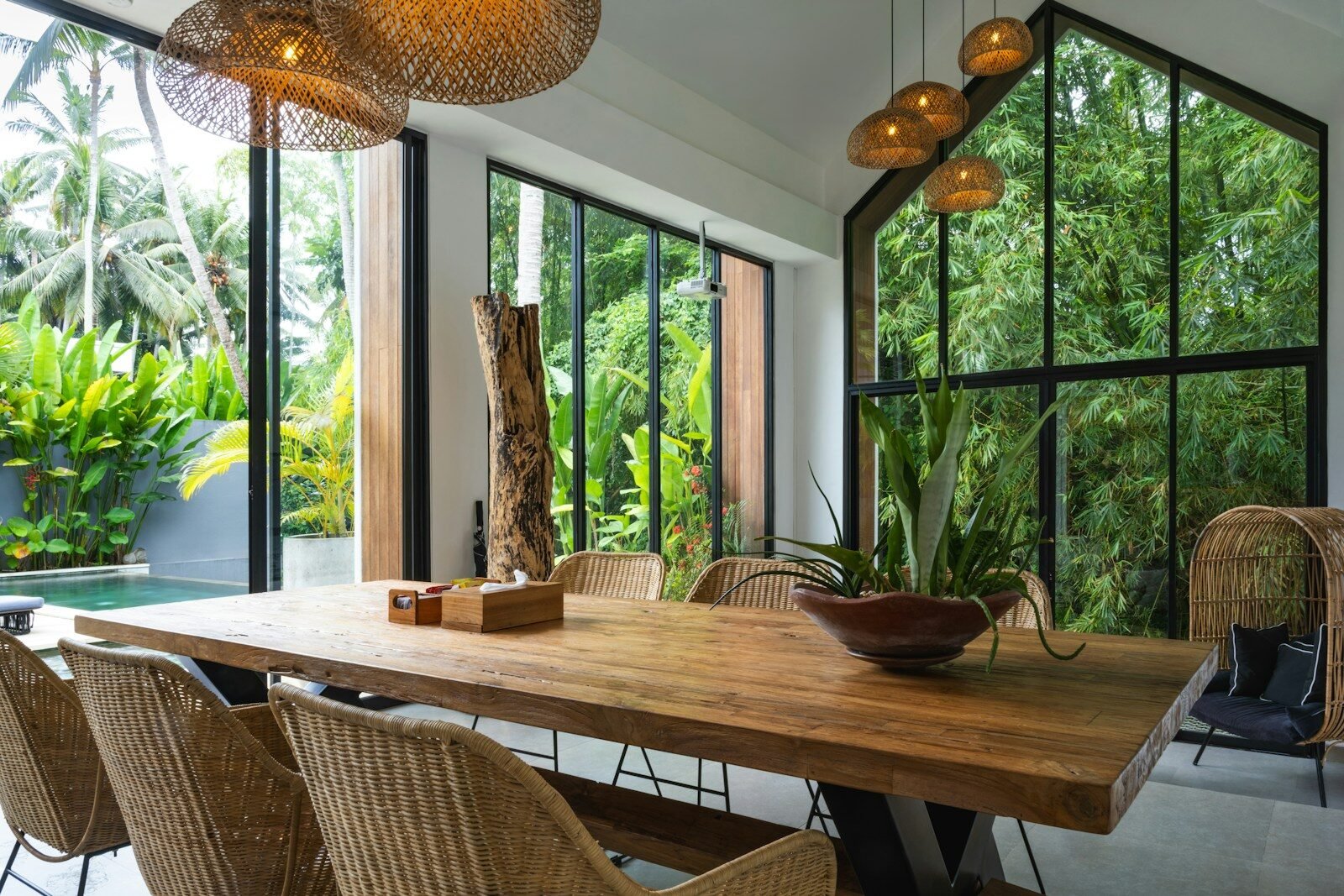
Creating a harmonious relationship between indoor and outdoor environments means careful planning and consideration. Open spaces, large windows, and sliding doors can invite the outdoors into living areas, fostering a sense of continuity. Integrating design elements from the landscape into interior decor enhances this connection, providing a balance that enriches both domains. Embracing nature in design not only enhances aesthetic value but also encourages well-being, reflecting a growing recognition of the importance of our relationship with the natural world.
Outdoor Furniture Selection
When selecting outdoor furniture, several key factors must be considered to ensure the pieces chosen meet both aesthetic and functional needs. Durability is paramount, as outdoor conditions can be harsh, with exposure to sunlight, rain, and fluctuating temperatures. Therefore, it’s essential to select materials that can withstand these elements without significant deterioration over time.
Style is another critical consideration. The outdoor space should reflect the homeowner’s personal taste and complement the overall design of the house and garden. From sleek modern designs to more traditional styles, the options are vast, and each style can set a different mood for outdoor relaxation and entertaining.
Comfort is equally important. Outdoor furniture should not only look good but also provide a comfortable experience for users. Cushions, seating height, and ergonomic design play significant roles in determining how pleasant the furniture is to use for extended periods. Materials with good padding, such as weather-resistant foam, can greatly enhance comfort levels.
Functionality also dictates the type of outdoor furniture selected. For example, if entertaining guests is a regular occurrence, a large dining table and ample seating may be preferred. Conversely, for smaller spaces, multifunctional furniture, such as benches with storage or collapsible tables, might be ideal to maximize usability without overwhelming the area.
Various types of outdoor furniture are suitable for different settings. For patios and decks, sturdy wicker or metal pieces are often favored, while poolside areas benefit from water-resistant options such as synthetic materials or aluminum. In gardens, wooden benches can blend beautifully with natural surroundings. Considerations for materials include teak, which is known for its longevity, aluminum, which is lightweight yet durable, and plastic options that are easy to maintain and often budget-friendly.
Ultimately, selecting the right outdoor furniture involves balancing durability, style, comfort, and functionality to create a welcoming, stylish outdoor environment suitable for any occasion.
Lighting for Outdoor Areas
Outdoor lighting plays a crucial role in enhancing the aesthetic appeal and functionality of outdoor spaces. It not only illuminates areas for nighttime use but also creates an inviting ambiance that transforms gardens, patios, and walkways into enchanting retreats. Properly designed lighting can highlight architectural features, guide guests, and promote safety, making it an essential aspect of outdoor design.
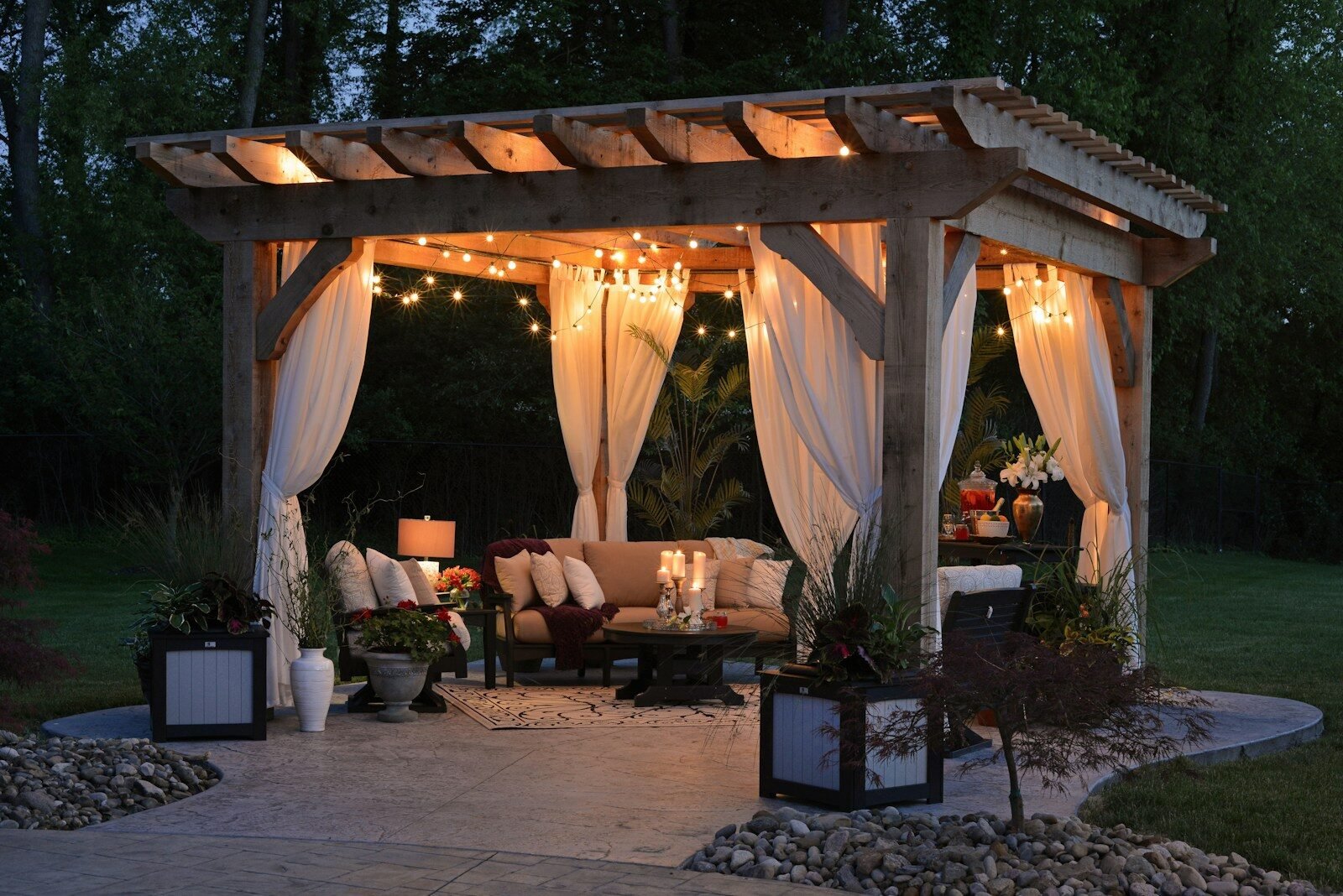
There are three primary types of outdoor lighting: ambient, task, and accent lighting. Ambient lighting provides overall illumination and sets the mood for outdoor gatherings. It can be achieved through overhead fixtures, wall-mounted lights, or even string lights that add charm and warmth. Task lighting, on the other hand, focuses on specific areas where activities occur, such as cooking on a grill or reading a book on the patio. This lighting is typically brighter and localized, ensuring that areas requiring visibility are well-lit.
Accent lighting serves to showcase particular elements in the landscape, such as architectural details, plants, or sculptures. Spotlights, floodlights, and garden lights can be strategically placed to draw attention to these focal points and enhance the overall design of the outdoor area.
When selecting outdoor lighting, it is important to consider the design style and the intended use of the space. For example, a contemporary patio may benefit from sleek, minimalistic fixtures, while a rustic garden may call for vintage lanterns. Placement of the lighting is equally significant; fixtures should be installed at varying heights to create dimension and depth. Additionally, utilizing dimmers can allow for flexibility in adjusting the brightness based on the occasion.
Incorporating lighting into outdoor designs not only elevates the aesthetic appeal but also extends the usability of these areas, allowing homeowners to enjoy their outdoor spaces long after the sun sets. The effective use of various lighting types can make a profound difference in how these areas are perceived and utilized, ultimately enhancing the overall experience of home decoration outdoors.
Creating Functional Outdoor Living Spaces
As homeowners seek to expand their living areas beyond the confines of their walls, creating functional outdoor living spaces has become increasingly popular. These areas not only enhance the aesthetic appeal of a home but also offer a perfect environment for relaxation and social gatherings. One of the primary elements to consider in an outdoor living space is the integration of an outdoor kitchen. This feature allows for seamless cooking and dining experiences, making it easier to entertain guests. Equipped with grills, countertops, and adequate storage, an outdoor kitchen transforms meal preparation into an enjoyable, outdoor activity.
Another essential component is the dining area, which can be as simple as a small table and chairs or as elaborate as a full dining setup. Choosing furniture that is both durable and comfortable is crucial. Materials such as wicker or teak are excellent for withstanding outdoor conditions while providing a cozy atmosphere. Additionally, to enhance the enjoyment of outdoor meals, consider adding features like shade structures or pergolas to provide shelter from the sun, making the space usable even during warm days.
Incorporating lounge areas is another way to maximize the use of outdoor spaces. Equipped with comfortable seating such as sofas, chairs, and ottomans, these areas can serve as inviting nooks for relaxation. To promote comfort, incorporating soft textiles, such as outdoor cushions and throws, can help to create a homely ambiance. Furthermore, adding elements such as fire pits or outdoor heaters can extend the usability of these spaces into cooler evenings, making them perfect for entertaining guests or enjoying a quiet evening under the stars.
Ultimately, the goal of creating functional outdoor living spaces is to enhance the overall enjoyment of one’s home. By focusing on practicality while carefully considering the design elements — such as kitchens, dining areas, and lounges — homeowners can create inviting outdoor environments tailored for both relaxation and entertainment. Proper planning and execution will ensure that these spaces are not only visually appealing but also impressively functional.
Adding Decorative Accents
Enhancing outdoor spaces through decorative accents can significantly elevate the aesthetic appeal of one’s home. These accents not only personalize areas but also reflect the homeowner’s style and creativity. When considering decorative elements, various options are available, ranging from artistic murals to elegant sculptures.
One popular choice is the application of outdoor murals. These can provide a vibrant backdrop, turning a blank wall into a canvas of colors and themes. Murals can incorporate imagery that resonates with personal experiences or local culture, creating a unique expression of identity. This artistic touch can transform an ordinary yard into a visually stunning environment.
Sculptures represent another effective option for outdoor decoration. Whether choosing small garden figurines or larger statues, these three-dimensional elements add depth and intrigue to the landscape. They can be made from various materials, including metal, stone, or wood, each bringing its own character. Strategically placing a sculpture in an outdoor setting can draw attention and frame a space beautifully.
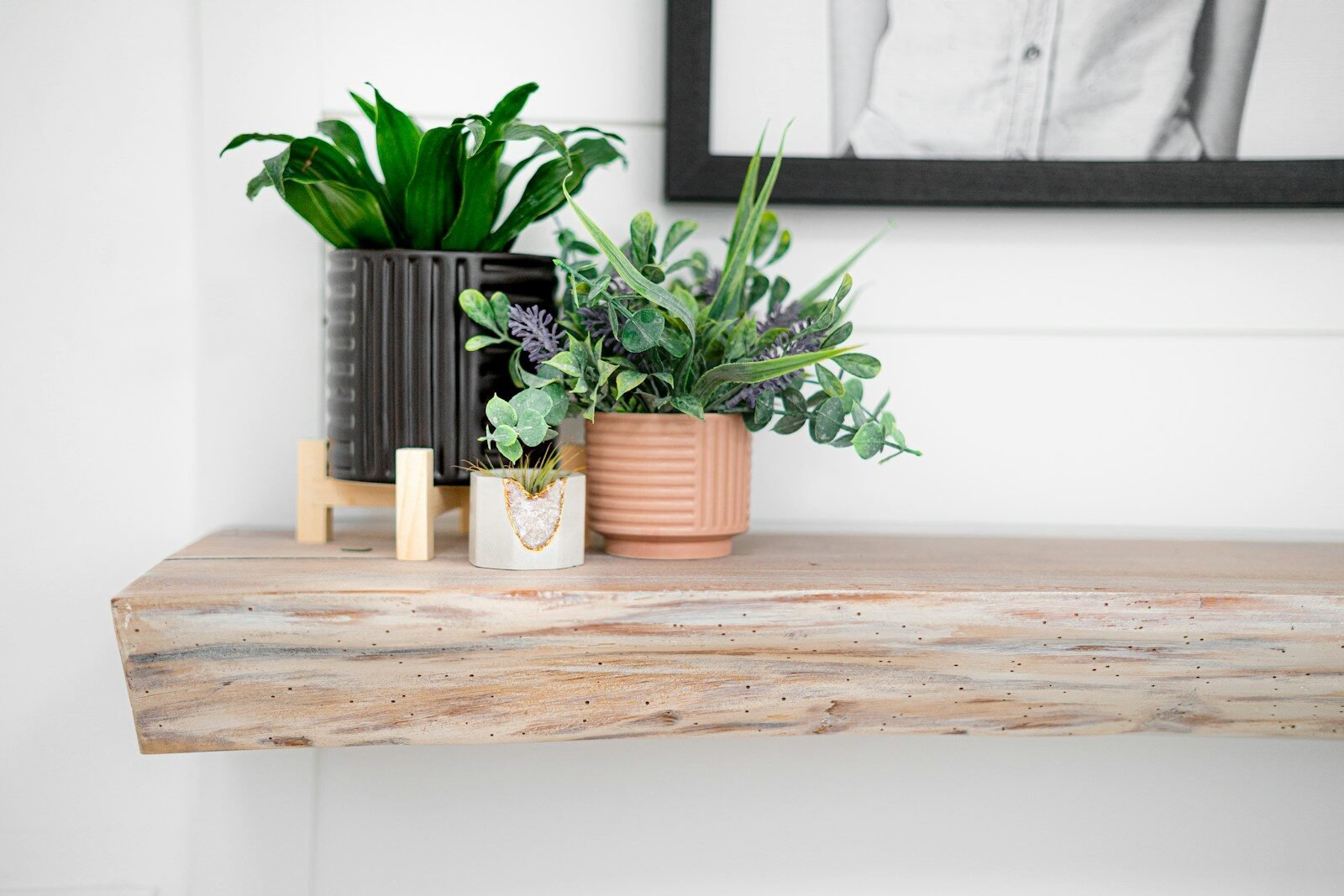
Decorative pots also serve as practical yet appealing accents in exterior areas. The variety of sizes, colors, and materials makes it easy to find pots that align with individual taste. They can be grouped together, showcasing a collection of plants that thrive in the outdoors, thereby infusing the area with life and color. Additionally, incorporating vibrant textiles, such as outdoor rugs and cushions, further enhances comfort and style. These elements not only provide visual enjoyment but also create inviting spaces to relax and entertain.
Incorporating decorative accents in outdoor spaces allows for an expression of personal flair while contributing functional benefits. Whether through murals, sculptures, decorative pots, or textiles, these enhancements can transform an outdoor setting into a reflection of the homeowner’s identity and vision.
Seasonal Decorating Ideas
Adapting outdoor decorations to align with the changing seasons can enhance the aesthetic appeal of any home while reflecting nature’s beauty throughout the year. Each season presents unique opportunities to incorporate seasonal themes, colors, and plants, making your outdoor space vibrant and inviting.
In spring, the revival of nature breathes life into gardens. Brightly colored flowers such as tulips, daffodils, and hyacinths can be planted to create a cheerful atmosphere. Pair these blooms with accessories in pastel shades, such as light pink or soft blue pots, to accentuate the freshness of the season. Adding decorative items like butterfly wind chimes or bird feeders can also attract local wildlife, further enriching the spring ambiance.
Summer offers a chance to embrace bold colors and lively themes. Incorporating plants like petunias and marigolds can infuse your outdoor space with warmth. Consider using vibrant outdoor cushions, blankets, and tableware to complement the lively colors of summer. String lights or garden lanterns can enhance evening gatherings, creating a cozy environment for socializing under the stars.
As fall approaches, hues of orange, red, and gold take center stage. Decorate with seasonal plants such as chrysanthemums and ornamental grasses while utilizing pumpkins and bales of hay as charming accents. These elements embody the harvest season and create a warm, inviting atmosphere that is perfect for outdoor gatherings. Incorporating rustic accessories like wooden signs or wrought iron features can enhance the autumn aesthetic.
Winter requires a different approach, focusing on elegance and coziness. Evergreens, holly, and winter berries can serve as focal points during this season. Consider using decorative wreaths and outdoor lights to create a winter wonderland effect. Layer blankets and cushions in warm colors on outdoor seating to invite relaxation even in the colder months. Utilizing LED lights in shades of blue and white can mimic the serene beauty of a snowy landscape.
In conclusion, adapting outdoor decorations to reflect each season can elevate your home’s exterior. By carefully selecting plants, colors, and accessories that resonate with seasonal changes, you create a dynamic outdoor space that remains engaging and inviting year-round.


Maintenance Tips for Outdoor Decor
To ensure that your outdoor decorations remain aesthetically pleasing and durable, it is essential to invest time in their maintenance. Different materials used in outdoor decor require specific care routines to maintain their appearance and functionality over time.
For instance, wooden furniture and decor items need to be regularly treated with weather-resistant finishes to prevent rot and warping. Applying a sealant every few years can preserve the natural beauty of the wood while protecting it from moisture and pests. Additionally, routine cleaning with a soft brush or cloth will help eliminate dirt and stains, ensuring that your wooden pieces look fresh and inviting.
Metal decorations, such as sculptures or furniture, demand a somewhat different approach. Regular inspections for rust or corrosion are crucial, especially in regions with high humidity. If any damage is found, promptly sanding the affected area and applying a weather-resistant paint can help maintain the integrity of the metal. Regular cleaning with mild soap and water will also help to prevent buildup and prolong the life of the metal decor.
For fabric items, such as outdoor cushions or tablecloths, it is advisable to check for mold or mildew, especially after rainy seasons. Spot cleaning spills immediately and storing items away during inclement weather can prevent these issues. Investing in UV-resistant fabrics can also help in minimizing fading due to sun exposure.
Lastly, seasonal upkeep plays a significant role in maintaining outdoor decorations. During the spring, it is a good practice to check and repair any damage incurred over the winter months, while autumn should be dedicated to removing fallen leaves and debris that can accumulate around outdoor decor and cause deterioration. By staying on top of these maintenance tasks, you can ensure that your outdoor space remains beautiful and inviting throughout the year.